
Home > Products > Automotive Precision Metal Stamping Parts > New Energy Vehicle Copper Foil Flexible Connectors > New Energy Vehicle Battery Flexible Copper Foil Busbar
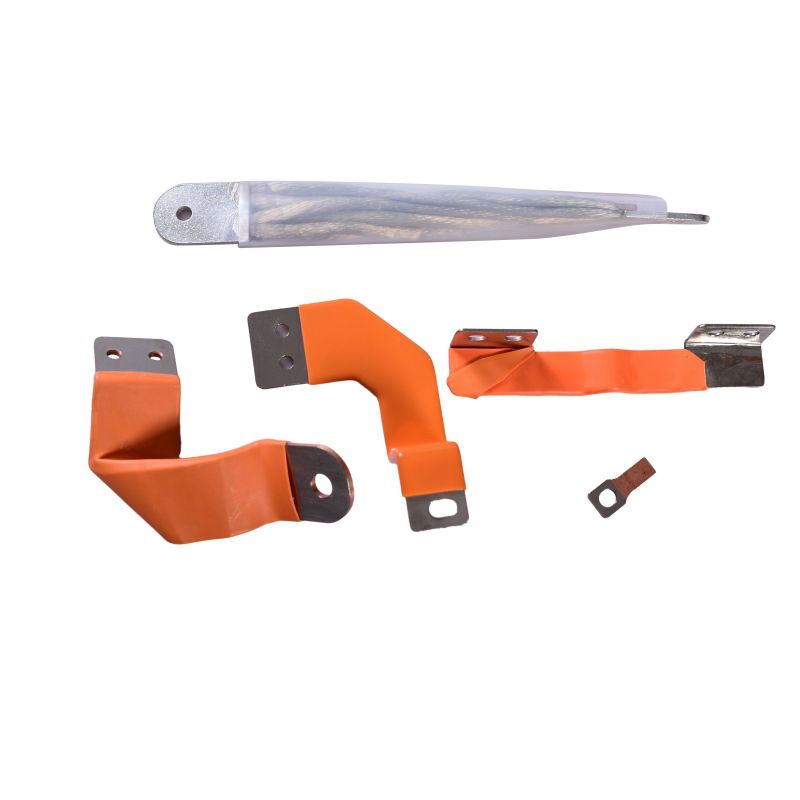
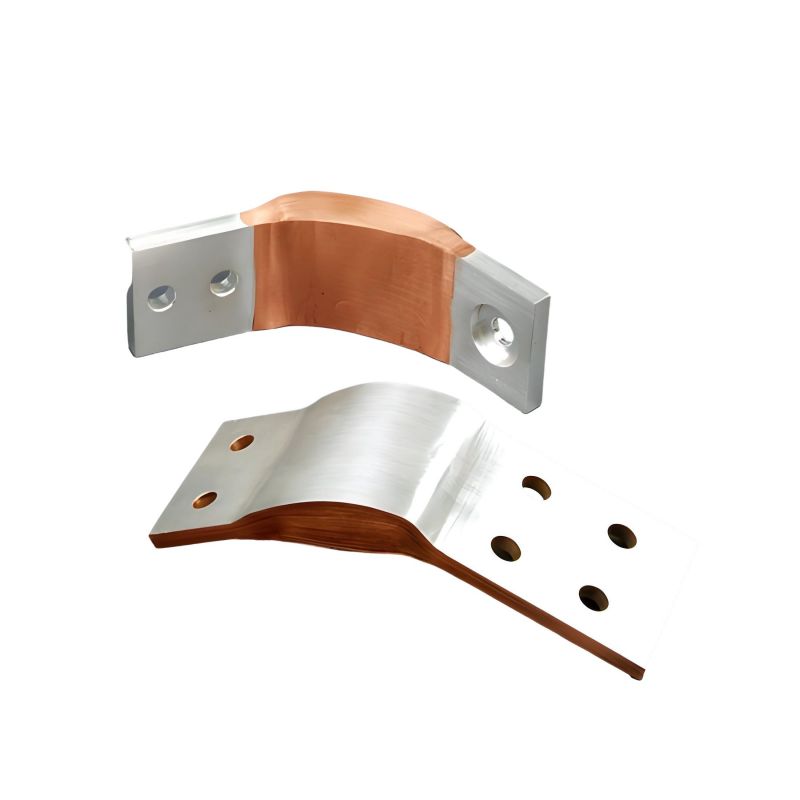
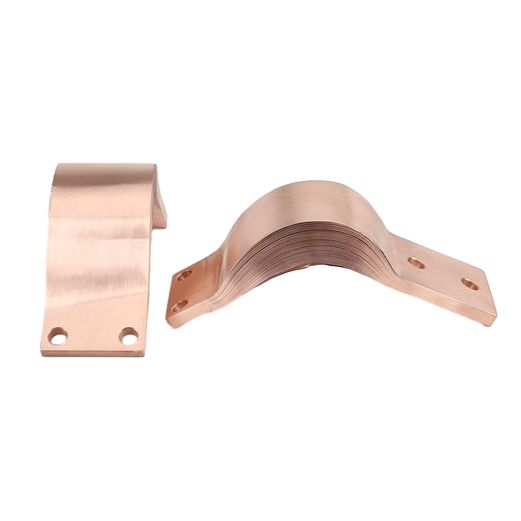
New Energy Vehicle Battery Flexible Copper Foil Busbar
Welcome new and old customers to come to our factory to purchase our customized products.Lijingda Hardware is one of the manufacturers of New Energy Vehicle Battery Flexible Copper Foil Busbar, distinguished for its production technology and professional team in meeting market demands. Through precise bending processes, it achieves a tight connection with battery modules, providing a reliable and efficient current conduction pathway for the battery system.
Send Inquiry
Product Description
Lijingda Hardware meticulously manufactures the New Energy Vehicle Battery Flexible Copper Foil Busbar using advanced techniques, making it an innovative material for battery connections. While prioritizing product quality, we are also committed to offering competitive prices, ensuring our customers receive excellent value for their purchases.
Design features
Our design team primarily uses high-purity electrolytic copper as the raw material, which is manufactured through a series of precision processing techniques. First, high-quality electrolytic copper is selected as the raw material and processed through processes such as calendering and stretching to form the required thin, flexible copper foil. Subsequently, the copper foil's surface is chemically treated to enhance its conductivity and corrosion resistance. High-precision CNC equipment is then used to precisely cut and shape the copper foil according to design requirements, creating the desired conductive grid shape. Furthermore, bending and welding processes are performed as needed to ensure perfect compatibility with battery components. Finally, after rigorous quality inspection and testing, it is ensured that the New Energy Vehicle Battery Flexible Copper Foil Busbar complies with relevant standards and requirements.
Product Attributes
|
Material |
T2(C1100) |
|
Length |
30-600mm |
|
Width |
3-150mm |
|
Thickness |
0.03-35mm |
|
Rated Voltage |
220-380V |
|
Rated Current |
32-800A |

Performance Characteristics
New Energy Vehicle Battery Flexible Copper Foil Busbar. It is made of high-purity copper foil and customized through precise manufacturing techniques. It can adapt to different shapes and sizes of battery modules, significantly enhancing the flexibility of component assembly. It features high conductivity and low resistance loss, reducing energy loss during current transmission and power conversion, and significantly improving the energy efficiency of the battery system.
Application scenarios
The New Energy Vehicle Battery Flexible Copper Foil Busbar is widely used in the power battery components of new energy vehicles, such as lithium-ion batteries and polymer batteries. They serve as connectors between battery cells, effectively transmitting current and withstanding various vibrations and temperature changes during battery assembly and vehicle operation. Their flexibility and malleability allow them to adapt to various battery module designs, while reducing the weight and volume of battery components, thereby improving the overall energy density and performance stability of the entire battery system.
Hot Tags: New Energy Vehicle Battery Flexible Copper Foil Busbar Wholesale
Related Category
Automotive Connector Terminals
New Energy Vehicle Busbars
New Energy Vehicle Copper Foil Flexible Connectors
New Energy Vehicle Flexible Insulated Busbar
Automotive Metal Stamping Brackets
Send Inquiry
Please Feel free to give your inquiry in the form below. We will reply you in 24 hours.