- English
- Español
- Português
- русский
- Français
- 日本語
- Deutsch
- tiếng Việt
- Italiano
- Nederlands
- ภาษาไทย
- Polski
- 한국어
- Svenska
- magyar
- Malay
- বাংলা ভাষার
- Dansk
- Suomi
- हिन्दी
- Pilipino
- Türkçe
- Gaeilge
- العربية
- Indonesia
- Norsk
- تمل
- český
- ελληνικά
- український
- Javanese
- فارسی
- தமிழ்
- తెలుగు
- नेपाली
- Burmese
- български
- ລາວ
- Latine
- Қазақша
- Euskal
- Azərbaycan
- Slovenský jazyk
- Македонски
- Lietuvos
- Eesti Keel
- Română
- Slovenski
- मराठी
- Srpski језик
Home > Products > Automotive Precision Metal Stamping Parts > New Energy Vehicle Busbars > New Energy Plastic Dipping Aluminum Busbar
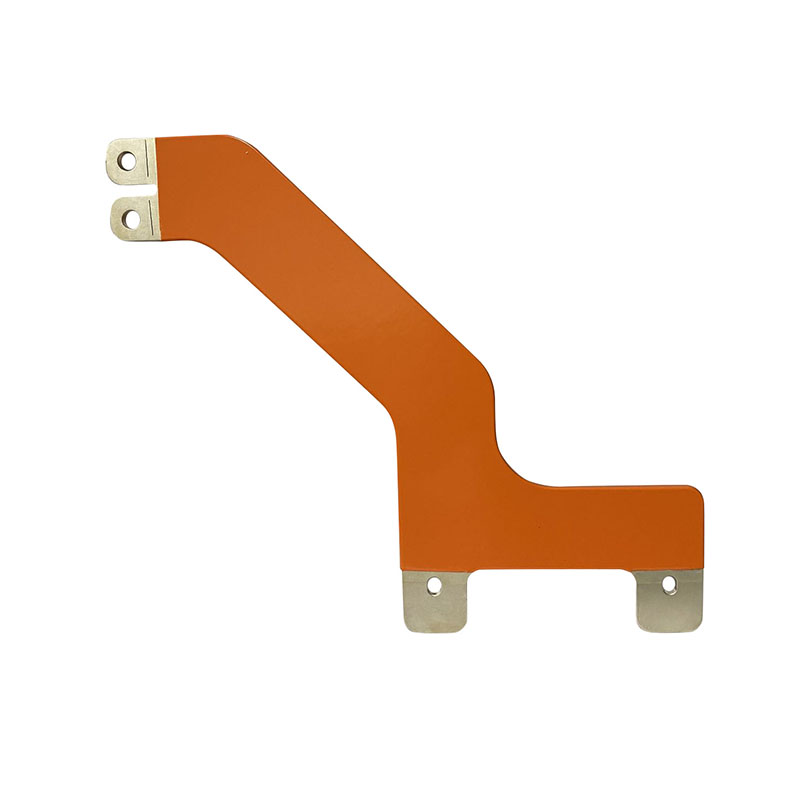
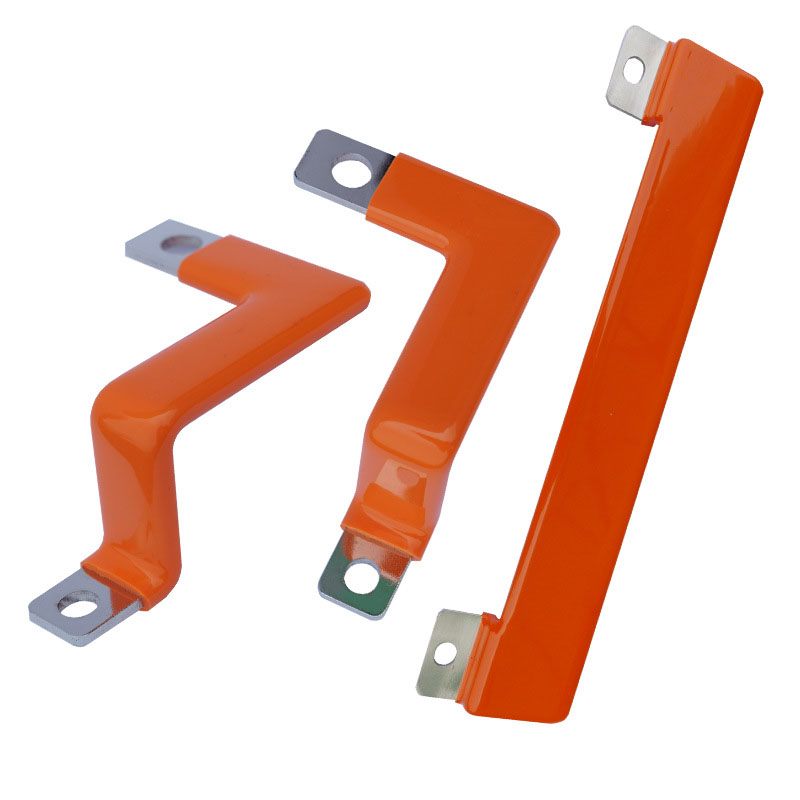
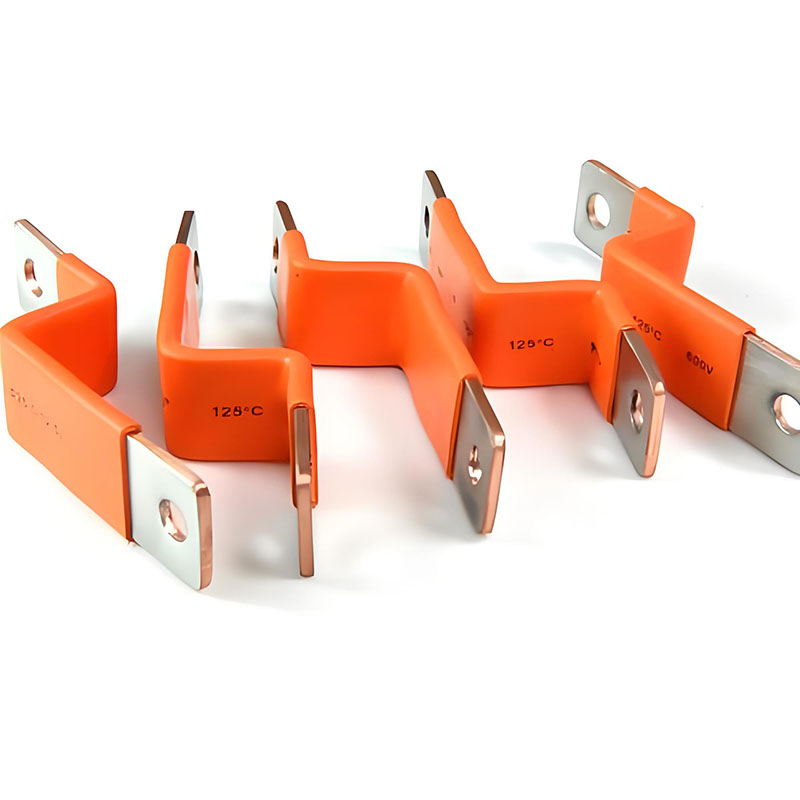
New Energy Plastic Dipping Aluminum Busbar
As a large-scale factory, Li Jingda Hardware is a producer and supplier of New Energy Plastic Dipping Aluminum Busbar. With years of production experience, the team uses high-strength aluminum alloy as the base material to produce durable, beautiful and elegant products. Welcome to our factory to make your purchase.
Send Inquiry
Product Description
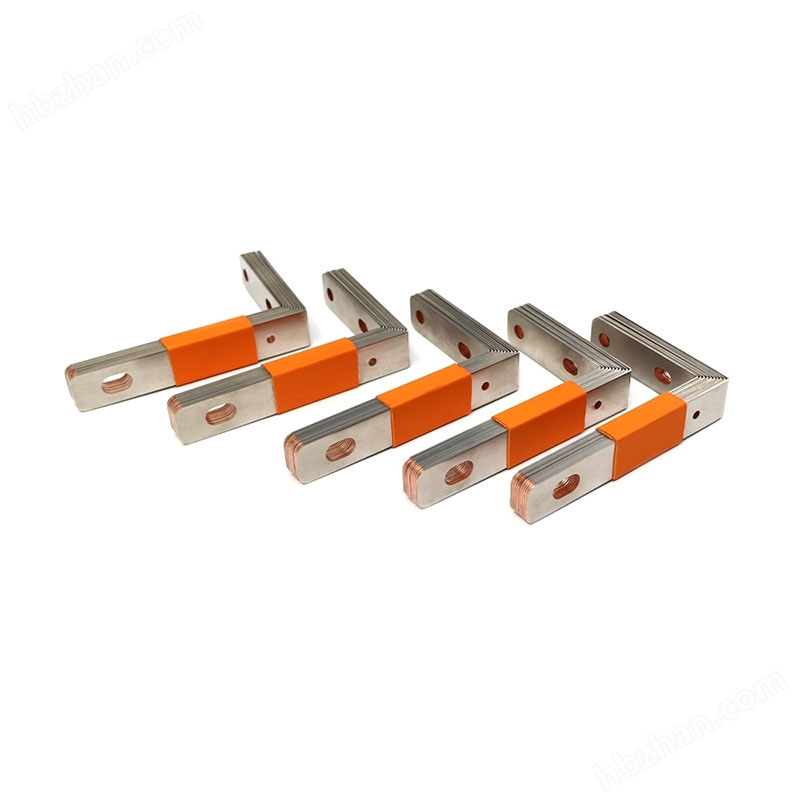
Lijinda Hardware is a professional manufacturer specializing in the production of high-quality "New Energy Plastic Dipping Aluminum Busbar". You can send us the drawings for customization. We provide one-stop purchasing services for both new and existing customers.
Characteristics
1. Including corrosion resistance, acid resistance, alkali resistance and salt resistance, it can ensure a long service life.
2. The team adopted modern dip coating technology for the New Energy Plastic Dipping Aluminum Busbar. The surface is smooth, does not fade easily, and has a more attractive appearance.
3. Installation is simple and quick, improving work efficiency.
4. Compared with traditional building materials, we reduce energy consumption and environmental damage during production and use, achieving environmental protection and energy conservation.

Performance Parameters:
Rated Voltage: DC 1000V / DC 1500V
Voltage Drop: ≤ 50mV
Flammability Rating: UL94 V-0
Peel Strength: ≥ 200 N/cm
Conductor Material: 1050 / 1060 / 6061 / 6063
Insulation Thickness: 0.8mm - 2.5mm
Tensile Strength: ≥ 150 MPa
Insulation Resistance: ≥ 1000 MΩ
Protection Rating: IP67
FAQ :
How to ensure the adhesion between the plastic coating and the aluminum conductor and prevent delamination during long-term use?
Our team inspected the micro anchors. The aluminum conductor surface of New Energy Plastic Dipping Aluminum Busbar was pre-treated well, which enabled the curing process of the plastic coating to be precisely controlled. This achieved a dual effect of chemical bonding and mechanical locking, thereby ensuring long-term anti-detachment performance.
What are the typical insulation withstand voltage ratings and protection levels?
The New Energy Plastic Dipping Aluminum Busbar can typically withstand voltages ranging from 3000VAC to 5000VAC. Due to the completely seamless wrapping layer of the plastic coating, it can easily achieve IP67 or even IP68 protection levels.
Why use plastic-coated insulation?
The conductive aluminum busbar provides insulation protection to enable the complete encapsulation of complex irregular structures, forming a continuous and uniform insulation layer. This avoids the encapsulation dead zones of traditional bushings at corners and bends, and protects against possible electrolyte corrosion, humid environments and salt fog within the battery pack.
Hot Tags: undefined
Related Category
Automotive Connector Terminals
New Energy Vehicle Busbars
New Energy Vehicle Copper Foil Flexible Connectors
New Energy Vehicle Flexible Insulated Busbar
Automotive Metal Stamping Brackets
Send Inquiry
Please Feel free to give your inquiry in the form below. We will reply you in 24 hours.