- English
- Español
- Português
- русский
- Français
- 日本語
- Deutsch
- tiếng Việt
- Italiano
- Nederlands
- ภาษาไทย
- Polski
- 한국어
- Svenska
- magyar
- Malay
- বাংলা ভাষার
- Dansk
- Suomi
- हिन्दी
- Pilipino
- Türkçe
- Gaeilge
- العربية
- Indonesia
- Norsk
- تمل
- český
- ελληνικά
- український
- Javanese
- فارسی
- தமிழ்
- తెలుగు
- नेपाली
- Burmese
- български
- ລາວ
- Latine
- Қазақша
- Euskal
- Azərbaycan
- Slovenský jazyk
- Македонски
- Lietuvos
- Eesti Keel
- Română
- Slovenski
- मराठी
- Srpski језик
Home > Products > Automotive Precision Metal Stamping Parts > New Energy Vehicle Busbars > New Energy Plastic Dipping Copper Busbar
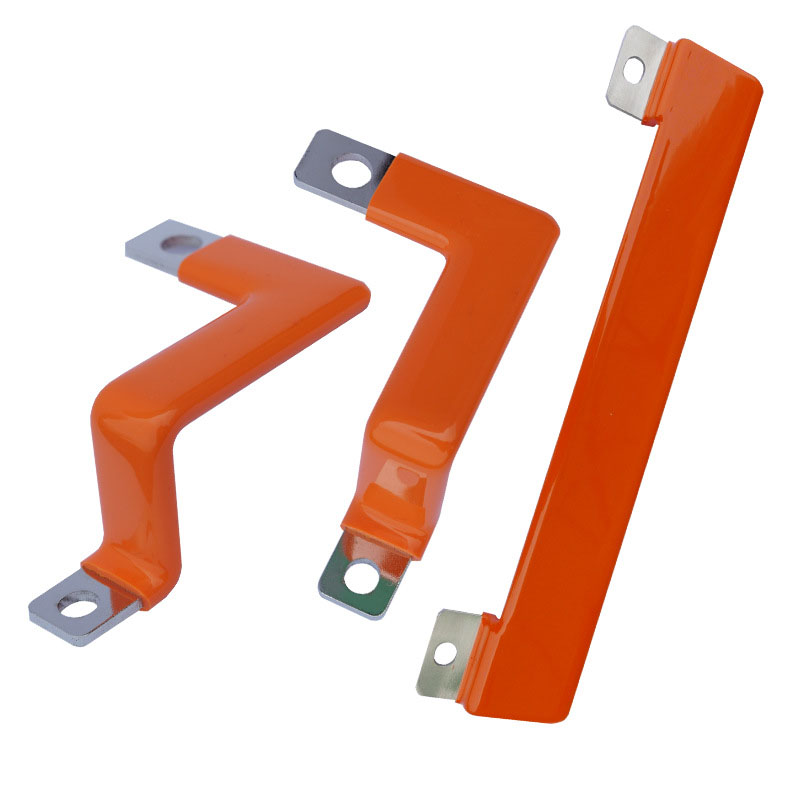
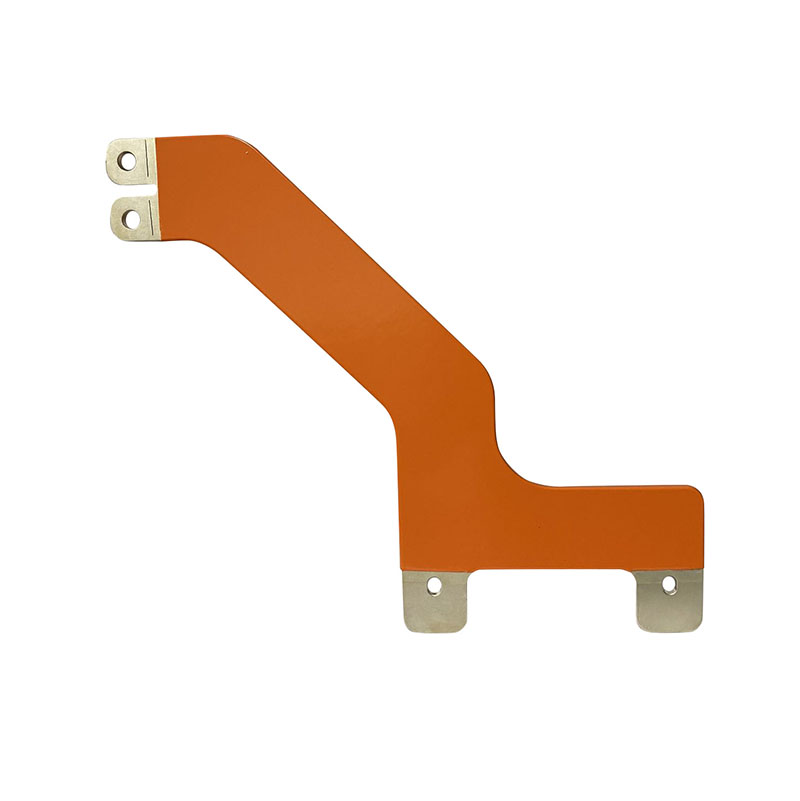
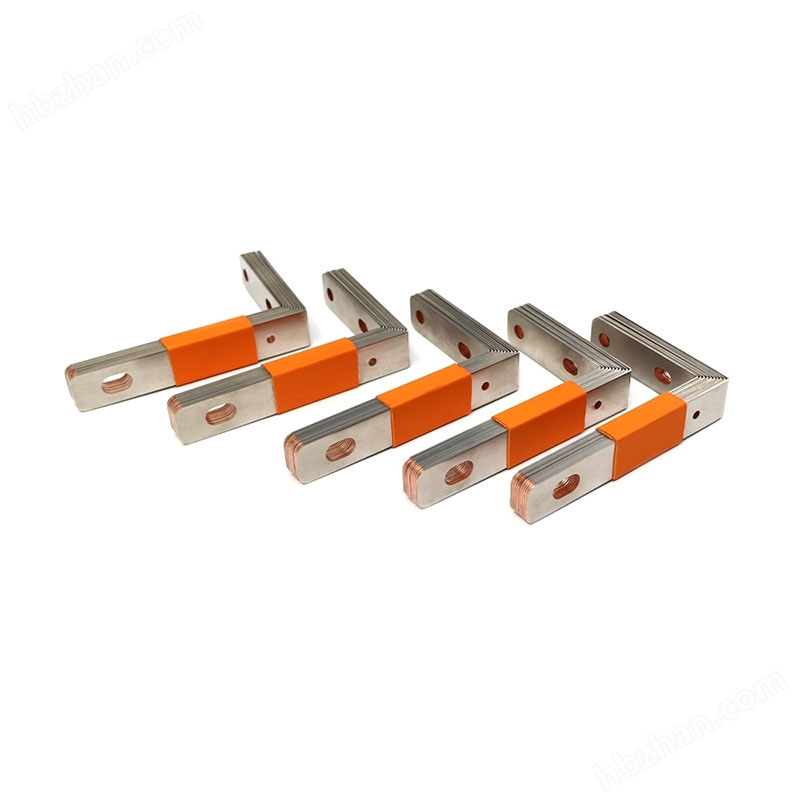
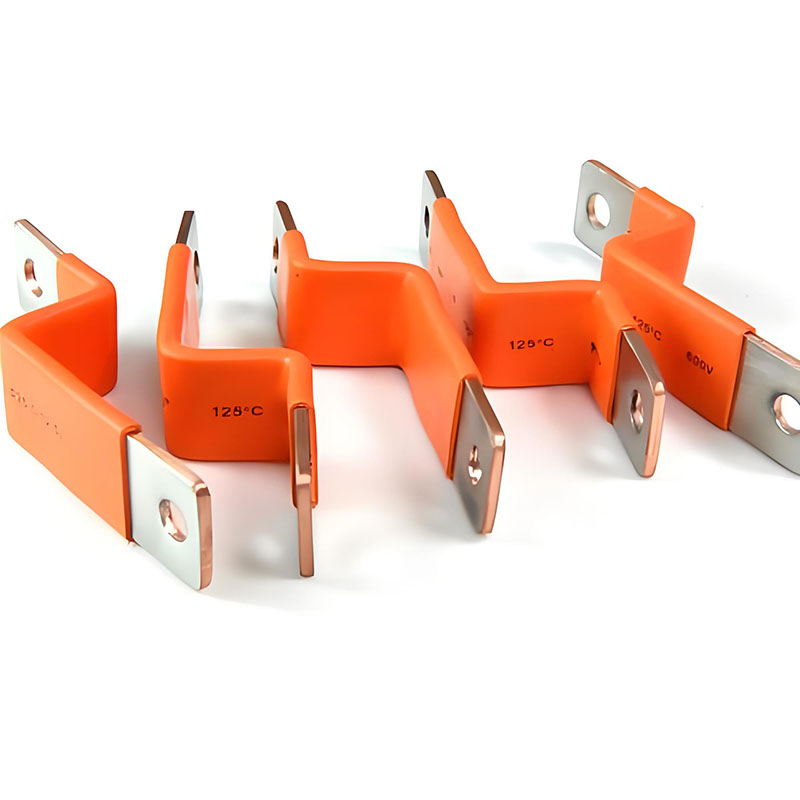
New Energy Plastic Dipping Copper Busbar
As the professional factory, Lijingda Hardware would like to provide you New Energy Plastic Dipping Copper Busbar. It has good electrical properties, corrosion resistance and wear resistance, is safe and reliable, and is widely used in new energy vehicles, wind power generation, solar power generation and other fields.
Send Inquiry
Product Description
Lijingda Hardware is a Chinese manufacturer and supplier of New Energy Plastic Dipping Copper Busbar, providing wholesale services of new energy plastic-coated copper busbars.With the continuous development of the new energy industry, the demand for power transmission of electronic and electrical equipment is also increasing. As a new type of power transmission material, plastic-coated copper busbars not only offer excellent electrical conductivity but also high corrosion and wear resistance, making them an indispensable and important material for the new energy industry.
Product advantages
All our New Energy Plastic Dipping Copper Busbar have been developed by our team, 3D modeling, and potential FAEM analysis to ensure the correctness of the design. It not only has the conductive properties of copper busbars, but also has the anti-corrosion, moisture-proof and insulation characteristics of plastic materials. Compared with traditional copper busbars, our products have higher safety and reliability.

Production Process
Copper cutting → CNC/stamping → Deburring → Surface pretreatment (degreasing, pickling, roughening) → Preheating → Plastic dipping (entering the molten plastic tank) → Plasticization/curing → Cooling → Finishing → Full performance testing (electrical, dimensional, and appearance) → Packaging
Product Applications
The New Energy Plastic Dipping Copper Busbar is an important component in the fields of new energy vehicles, wind power generation, and solar power generation. It effectively optimizes transmission efficiency and enhances vehicle performance: As a transmission material, it significantly enhances the safety and stability of the power system while helping to reduce transmission losses and improve power generation efficiency.
FAQ
How is ampacity calculated? How does it differ from bare copper busbars?
The current carrying capacity must be calculated based on the thermal resistance of the insulation layer, the heat dissipation environment, and the allowable temperature rise. The resulting value is generally lower than that of a bare copper busbar of the same specifications.
What is the typical thickness of the plastic coating? What are the considerations for selecting the thickness?
We typically manufacture with a thickness between 0.5mm and 2.5mm, taking into account factors such as voltage level, mechanical strength, cost, and space.
Hot Tags: Customized New Energy Plastic Dipping Copper Busbar
Related Category
Automotive Connector Terminals
New Energy Vehicle Busbars
New Energy Vehicle Copper Foil Flexible Connectors
New Energy Vehicle Flexible Insulated Busbar
Automotive Metal Stamping Brackets
Send Inquiry
Please Feel free to give your inquiry in the form below. We will reply you in 24 hours.