
- English
- Español
- Português
- русский
- Français
- 日本語
- Deutsch
- tiếng Việt
- Italiano
- Nederlands
- ภาษาไทย
- Polski
- 한국어
- Svenska
- magyar
- Malay
- বাংলা ভাষার
- Dansk
- Suomi
- हिन्दी
- Pilipino
- Türkçe
- Gaeilge
- العربية
- Indonesia
- Norsk
- تمل
- český
- ελληνικά
- український
- Javanese
- فارسی
- தமிழ்
- తెలుగు
- नेपाली
- Burmese
- български
- ລາວ
- Latine
- Қазақша
- Euskal
- Azərbaycan
- Slovenský jazyk
- Македонски
- Lietuvos
- Eesti Keel
- Română
- Slovenski
- मराठी
- Srpski језик

Can commercial‑gym heavy‑use cycles compromise Power Systems Olympic Spring Barbell Collars real‑world safety performance?
Gym‑chain procurement managers and fitness‑equipment distributors often validate spring barbell collars relying on static hand‑operated sample checks. Manually‑tested samples deliver firm clamping force, smooth squeeze‑release action and intact surface coating. Multiple hidden batch‑level weaknesses stay undetected in quiet showroom conditions, only emerging after thousands of heavy‑dynamic gym training cycles and bringing product‑liability and after‑sales‑claim risks for bulk buyers.
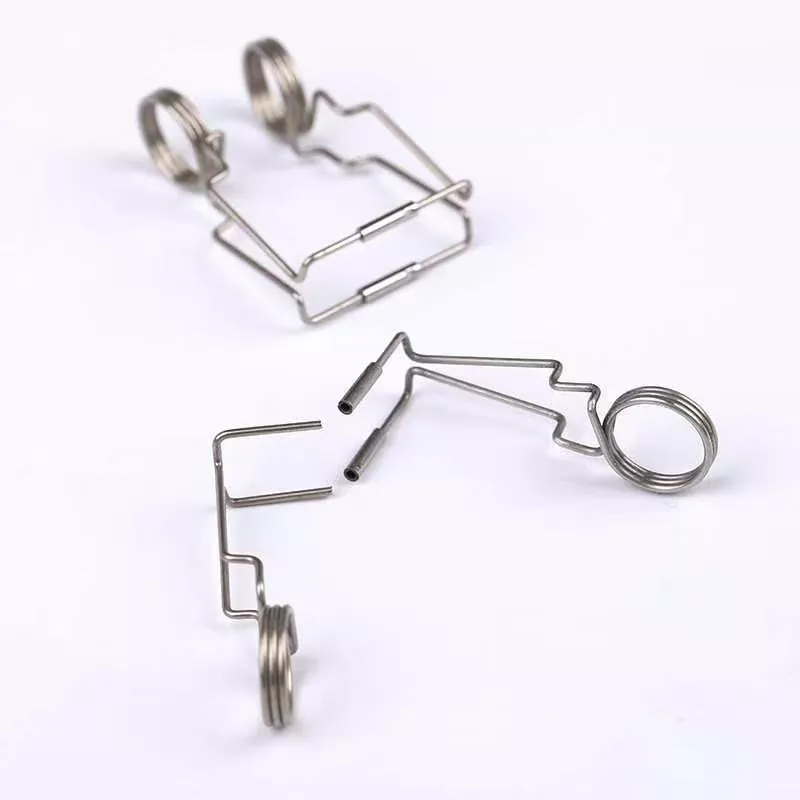
Four under‑appreciated batch risks ignored by simple manual sample testing:
- Spring‑steel heat‑treatment inconsistency leading to scattered fatigue‑life across production lots
- Coating inner‑layer micro‑defects triggering hidden corrosion under high‑humidity gym‑air conditions
- Clamping‑opening dimensional drift creating variable grip force on nominal 50 mm Olympic bar sleeves
- Raw‑material certificate decoupling: sample lab‑reports cannot represent serial‑production component batches
Spring steel heat‑treatment consistency for heavy‑repetition gym cycles
Hand‑picked prototype collars use perfectly heat‑treated spring‑steel blanks. During continuous mass‑production, minor furnace‑temperature fluctuation alters material toughness. Visually identical collars can deliver very different fatigue‑cycle endurance.
Units may hold firm in short manual demonstrations, yet lose critical clamping tension far earlier under repeated squeezing, dropping and Olympic‑lifting dynamic shock inside busy commercial gym facilities.
- Rock‑well hardness spot‑sampling for spring‑steel blanks of every production run
- Automated cyclic squeeze‑release fatigue bench test simulating multi‑year gym‑usage workload
Lijingda Hardware executes hardness cross‑verification plus full‑cycle mechanical fatigue screening, filtering batches with premature spring‑weakening risk before export‑packing.
Coating integrity assessment targeting humid gym environmental exposure
Visual sample inspection only checks outer coating appearance. Tiny pin‑holes or thin‑spots beneath galvanized, powder or electrophoretic finishes remain invisible to naked eyes.
Perspiration vapor, high‑ambient‑humidity and occasional cleaning‑solution splashes penetrate those micro‑gaps, starting internal rust propagation. Corrosion gradually degrades spring elasticity even if the outer surface still looks acceptable for months after gym deployment.
- Salt‑spray ageing test simulating typical commercial‑gym humid atmospheric conditions
- Focused inspection of bend‑zones where spring deformation stretches protective coating layers
Clamping aperture dimensional stability against nominal 50 mm bar sleeves
Prototype samples are fine‑tuned to match reference standard 50 mm Olympic bar sleeves. Stamping‑tool wear in large‑volume production introduces subtle aperture‑size drift.
Small deviations do not block manual installation, yet produce inconsistent radial‑clamping pressure. Some collars slip easily under dynamic barbell shock‑load, creating safety hazards, despite passing static fit‑check on reference test bars.
- Multi‑unit aperture dimensional sampling across each production lot
- Dynamic slip‑resistance test using actual 50 mm bar under simulated heavy‑weight impact conditions
Lot‑specific raw‑material traceability for fitness‑equipment importer audits
Many fitness‑hardware importers reuse prototype‑batch material test‑reports for incoming‑goods QA review. Generic sample documentation has no legal validity for mass‑shipped collars.
Commercial‑gym supply‑chain audits require traceability linking each delivered lot directly to spring‑steel mill certificates and finished‑goods test‑logs. Mismatched paperwork can trigger shipment hold‑ups and procurement‑contract compliance disputes.
- Map finished‑goods batch‑codes to corresponding spring‑steel heat‑lot records
- Compile project‑oriented English‑language audit‑ready dossiers for bulk gym‑equipment orders
Practical bulk‑fitness‑hardware procurement checklist
- Specify spring‑steel hardness benchmarks plus automated cyclic‑fatigue testing requirements within PO technical clauses
- Insist on salt‑spray ageing validation focusing on spring bend‑zones instead of only visual coating‑approval
- Require dynamic anti‑slip test data on real‑size 50 mm Olympic bar rather than simple static manual fitting
- Demand lot‑tied mill‑material‑certificates; reject undated prototype‑sample qualification‑documents