
- English
- Español
- Português
- русский
- Français
- 日本語
- Deutsch
- tiếng Việt
- Italiano
- Nederlands
- ภาษาไทย
- Polski
- 한국어
- Svenska
- magyar
- Malay
- বাংলা ভাষার
- Dansk
- Suomi
- हिन्दी
- Pilipino
- Türkçe
- Gaeilge
- العربية
- Indonesia
- Norsk
- تمل
- český
- ελληνικά
- український
- Javanese
- فارسی
- தமிழ்
- తెలుగు
- नेपाली
- Burmese
- български
- ລາວ
- Latine
- Қазақша
- Euskal
- Azərbaycan
- Slovenský jazyk
- Македонски
- Lietuvos
- Eesti Keel
- Română
- Slovenski
- मराठी
- Srpski језик

When do metal component suppliers drag down automated assembly production efficiency?
Automotive system manufacturers, consumer electronics brands and industrial cabinet EPC purchasers frequently face four costly bottlenecks when cooperating with unprofessional sheet metal bending vendors: uncontrolled springback and unstable bending angles create massive manual correction work on automated assembly lines; suppliers without DFM design guidance leave hidden structural defects in early drawing stages; scattered bending, surface treatment and testing factories break batch traceability chains and delay overseas factory audits; low-grade die tooling scratches part surfaces and raises finished product rejection rates. Lijingda integrates CNC bending, professional process engineering and full-lot quality inspection under one factory roof, locking ±0.5° ultra-tight bending tolerance while providing early design optimization service, eliminating assembly rework, design defect losses and audit stagnation for cross-border metal component buyers.
1. CNC dynamic springback compensation stabilizes angle tolerance for unmanned assembly
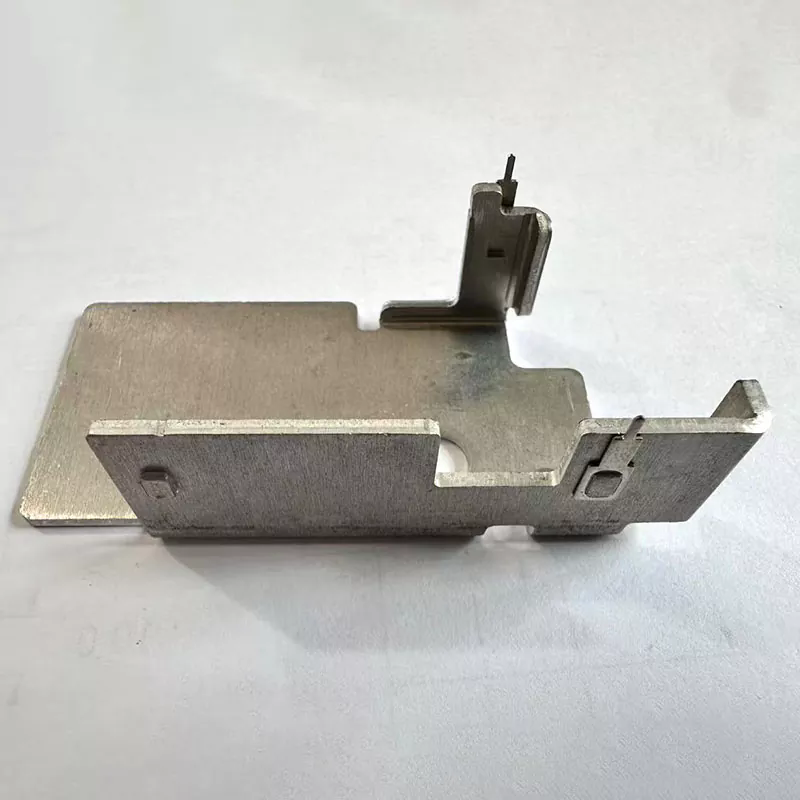
Ordinary bending equipment lacks real-time material springback compensation algorithms; different steel, aluminum alloy sheets generate inconsistent elastic rebound after forming, making bending angles deviate beyond ±1°. During robot automatic assembly, misaligned bent brackets cannot lock into matching fixtures, forcing factories to assign extra workers for manual trimming and cutting daily output capacity. Lijing equips full digital CNC bending machines with material-specific rebound calibration modules, pre-setting compensation parameters for stainless steel, cold rolled steel and aluminum blanks. Mass production inspection data verifies all finished bending parts keep angular tolerance within ±0.5°, perfectly matching high-speed unmanned assembly station positioning standards and cutting assembly rework labor by over 60%.
2. Senior DFM engineers eliminate hidden bending defects at drawing review stage
Most metal processing vendors only execute drawings as submitted without professional process evaluation; unreasonable bend radius, too narrow flange and grain-direction design trigger cracking, wrinkling after mass production, forcing clients to re-open molds and suspend component supply cycles. The factory’s team of senior sheet metal engineers conducts free DFM optimization for all RFQs, adjusting bend layout, blank size and transition radian based on material ductility before formal mold manufacturing. Early design intervention avoids post-production mold revision and order delay losses, greatly shortening new product sample iteration cycle for automotive and electronic R&D teams.
3. Full closed-loop production realizes complete batch material traceability files
Decentralized outsourcing of bending, polishing and coating makes it impossible to integrate raw MTC certificates, bending process records and finished inspection data into unified lot archives. European and North American brand auditors will pause supplier qualification reviews without full traceability documents. Every batch of Lijingda bending parts records raw steel furnace numbers, CNC bending parameter logs and final dimensional test reports, compiling complete English audit document packages together with shipments. Integrated traceability data helps buyers pass third-party factory inspection without supplementary material testing expenditure.
4. Polished dedicated dies avoid surface scratch scrap after bending forming
Worn, unpolished general dies leave deep indentations and scratch marks on part surfaces during bending; scratched brackets and chassis frames fail appearance inspection for high-end electronic and automotive finished goods, creating high batch scrap costs. All bending punches and V-dies adopt mirror polishing treatment before formal production, adding removable protective film on contact surfaces to eliminate friction marks. Even thin decorative aluminum bending components maintain smooth scratch-free surfaces without secondary polishing procedures, reducing post-process surface treatment expenditure for OEM manufacturers.
5. Multi-alloy matching balances lightweight structure and mechanical rigidity
Single universal sheet material cannot satisfy differentiated load demands of thin electronic heat sinks and heavy auto chassis brackets. Over-thick plates raise whole product weight while thin sheets deform easily under long-term vibration loads. The factory allocates targeted metal blanks according client load parameters: thin aluminum for electronic heat dissipation frames, medium cold rolled steel for cabinet supports, thick stainless steel for vehicle structural brackets. Optimized sheet thickness design retains sufficient bending strength while realizing lightweight product targets, lowering overall finished product material cost for equipment brands.
6. One-stop bending & post-treatment shortens cross-border order delivery cycle
Suppliers that only provide bare bent semi-finished products force buyers to source plating, powder coating and deburring services separately from third-party workshops, extending total order lead time by over 10 working days. Lijingda internally integrates bending, deburring, sandblasting and multi-type surface coating production lines, finishing all processing links in single plant without external outsourcing. Unified production scheduling speeds up bulk order delivery, helping OEM brands stock metal components ahead of seasonal production surges.